Plan your next campaign
UGC ideas by industry: practical briefs for Nigerian brands
By UseHype · Brand campaign guides
Choose the buying question first, then the creator and format. This guide turns common industry categories into specific production decisions, so your brief asks for evidence the creator can actually deliver.
Updated
Browse creator portfolios · Create a brand account
Choose a niche by access and evidence
Choose a niche where you can access the product, understand the customer’s question and demonstrate the result honestly. An attractive category name is not proof of demand or high pay. Check current briefs and talk to potential buyers before building an entire portfolio around one assumption.
For a brand, choose the creator by the required work. A strong beauty presenter may not be the right person for a detailed software walkthrough. For a creator, produce a focused self-directed sample and explain the production decisions. Avoid implying a paid relationship with the featured company.
The examples below are production suggestions, not market-rate data or promises of performance. Each still needs an agreed brief, suitable permissions and a review of any regulated claims.
Skincare and cosmetics
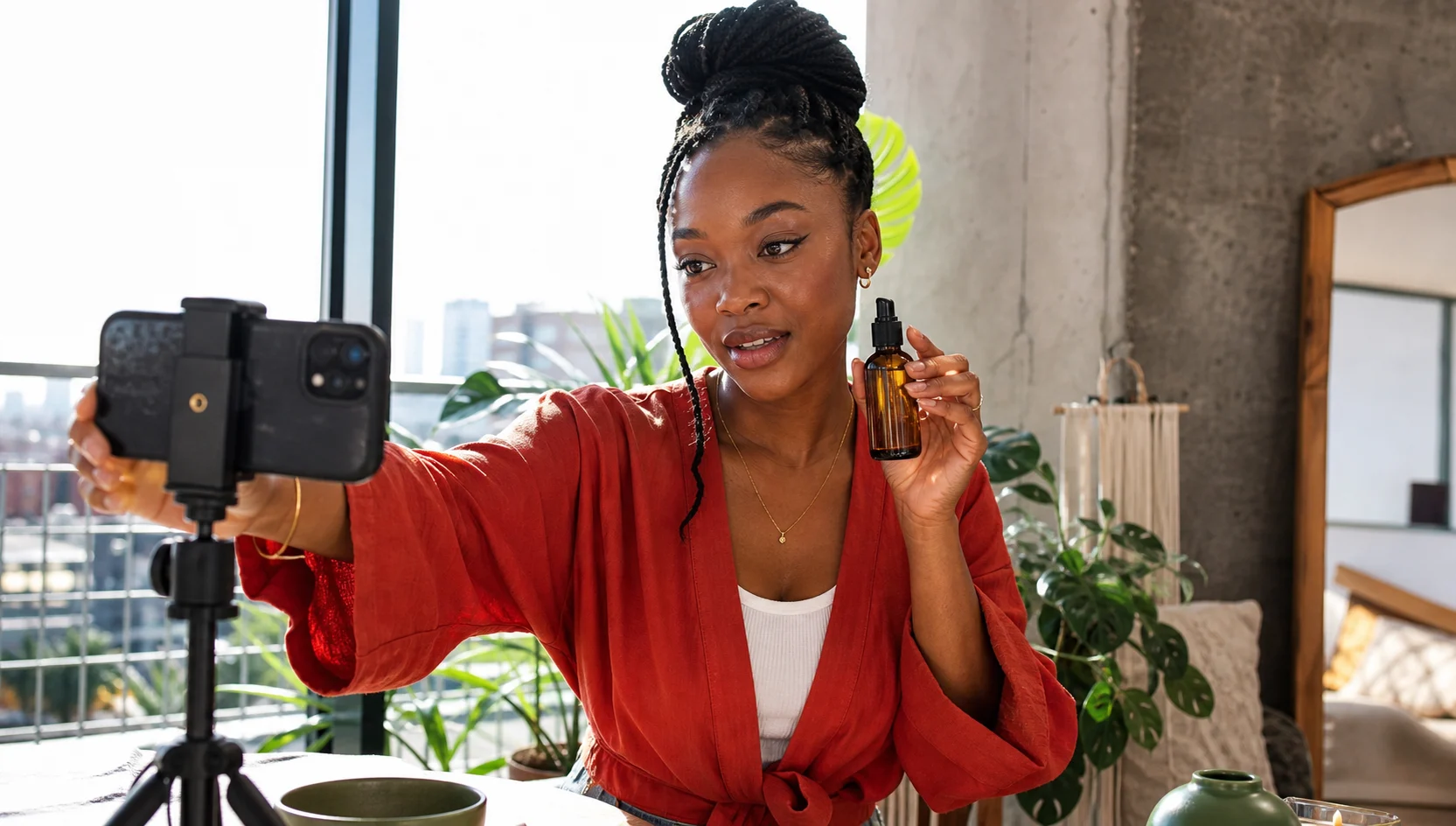
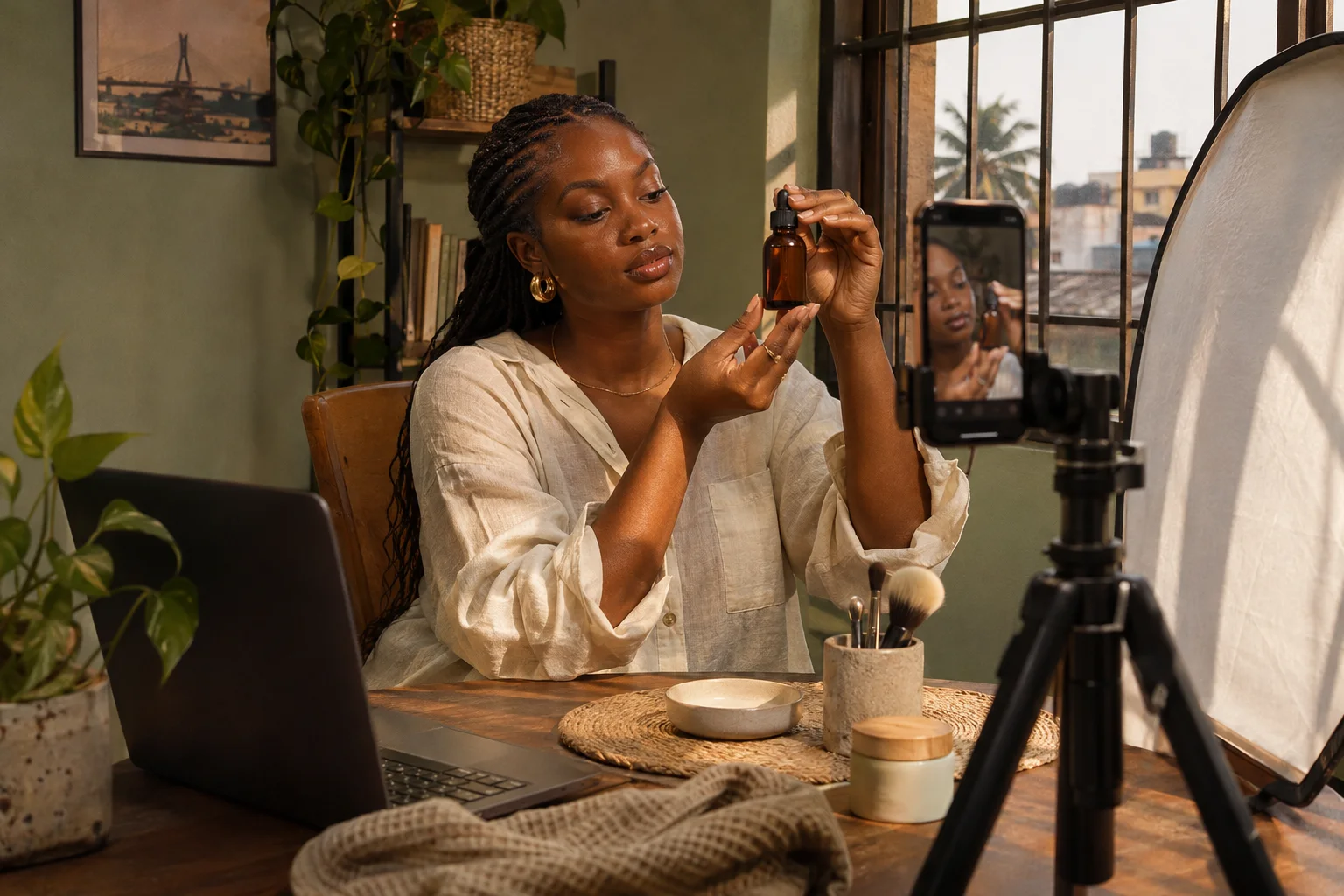
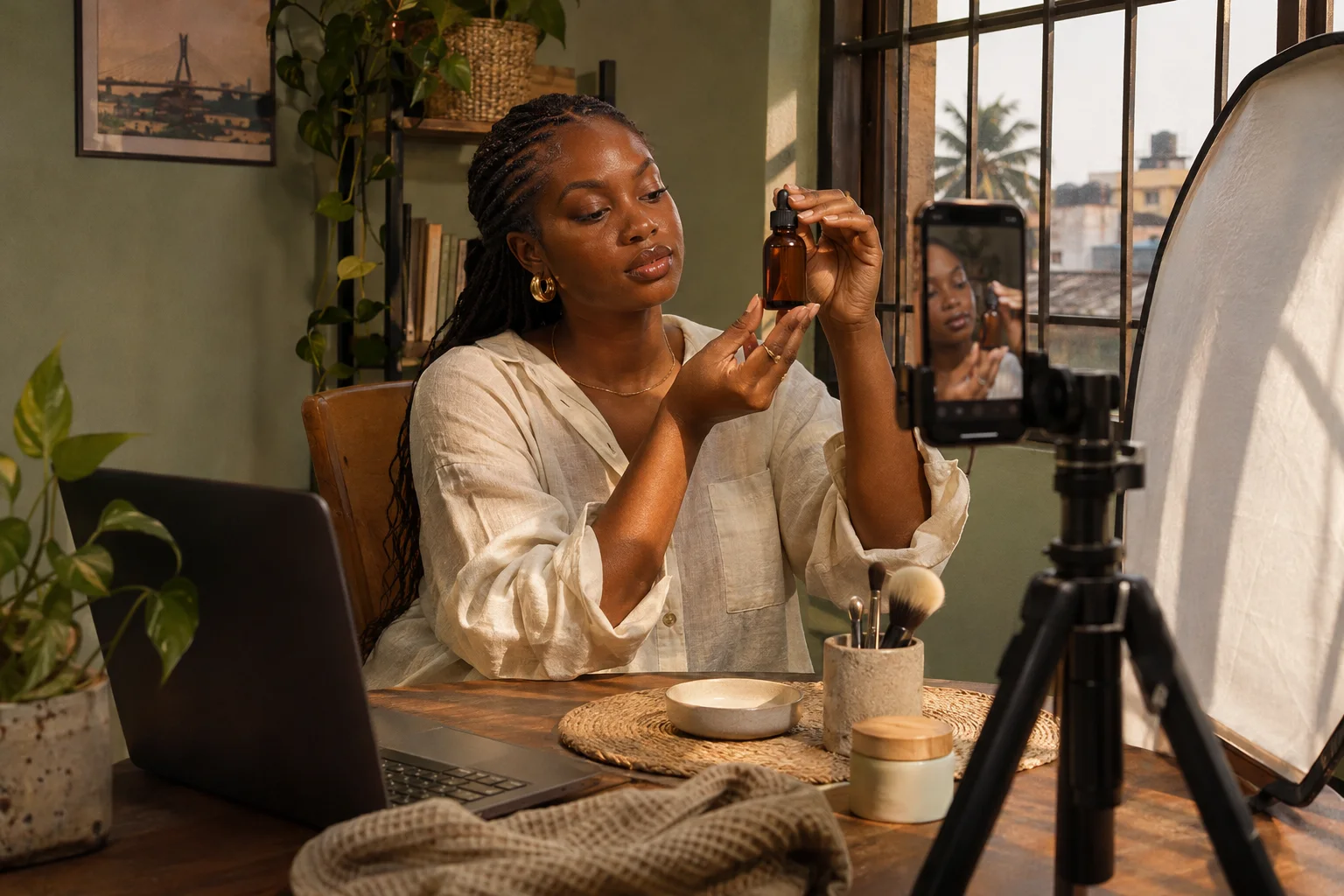
Show the actual texture, packaging and application process in consistent light. Tell the creator which product facts are approved and which claims need evidence. If the brief asks for personal experience, allow real use and accept that the creator may have limitations or criticism to report.
A useful sample can show dispensing the product, the amount used in that demonstration and the finish on the participant. Do not turn cosmetic appearance into a medical claim or manipulate lighting to suggest an unsupported before-and-after result.
Creators looking for skincare work should lead with relevant close-ups and clear sound. Brands should evaluate skin-detail footage without assuming that flawless retouching proves a product works. Record any editing restrictions before production.
Hair, wigs and salons
Plan the starting condition, installation or service steps and finished view. Agree whether the shoot includes a model, stylist, salon access and time for changes. Capture the parts a buyer needs to inspect, such as construction or movement, without making claims that the footage cannot prove.
For a salon, confirm the client’s permission and avoid including other customers without agreement. A creator’s own experience is not a universal promise about durability, hair growth or results. If a tutorial involves specialist technique, have a qualified person supervise the relevant work.
Fragrance and perfume oils
A video cannot transmit scent. Use it to show packaging, dispensing, size and the creator’s clearly subjective description. Avoid presenting personal impressions as measured longevity or a guaranteed reaction from other people.
A practical brief can ask for a bag-size demonstration and a close view of the applicator. Keep unsupported comparisons to named perfumes out of the script. If the brand supplies scent notes, identify them as product information rather than claiming every viewer will perceive them identically.
Fashion and clothing
Show fit, movement, fastening and useful construction details. Agree the garment size and the participant’s relevant measurements where they consent to share them. Show the actual item being sold and identify styling accessories that are not included.
A try-on can use a front view, side view and seated movement to answer different questions. Keep colour editing restrained so the garment is not misrepresented. For modelling-only work, clarify who supplies photography, makeup, styling and location instead of assuming the model is also the full production team.
Food, drinks and restaurants
Plan preparation, serving and detail shots before the food changes appearance. Confirm who supplies ingredients, props and a suitable filming space. For a restaurant, agree which dishes can be filmed and how the shoot interacts with normal service.
A useful clip might demonstrate mixing a drink or serving a meal, with the actual steps shown. Do not imply nutritional or health benefits without appropriate evidence and review. Keep the camera setup away from food-handling hazards and avoid showing customers without permission.
For food photography, specify the number of final images, compositions and intended crops. A single wide table scene is not interchangeable with several individual product images for a menu.
Fintech, crypto, trading and financial apps
Use a demo environment with fictional data and a verified feature list. Show the current screen flow, including relevant conditions or limits, without revealing customer records or real account credentials. Have the brand’s qualified reviewer approve financial claims before filming.
Do not script guaranteed returns, effortless income or claims that a product is suitable for everyone. A walkthrough should explain the demonstrated task, not substitute for investment advice. Keep risk and eligibility information legible where it belongs in the approved communication.
A diaspora remittance brief may need a specific sending country, destination, currency and supported route. Confirm those details directly with the service. A Nigerian creator’s accent or location does not establish that every international payment route is available.
SaaS, small-business apps and website tools
Choose one useful task and prepare a clean demonstration account. Show the starting point, the action and the result. Remove notifications and private records. Confirm that the plan used in the demo includes the feature being advertised.
For a website builder, a clear sample could show changing a product image and checking the mobile preview. Avoid hiding substantial setup work behind a claim that every user can launch instantly. Pair screen capture with narration that uses the interface’s actual labels.
Education and online courses
Show the course format, navigation and a representative exercise with permission. Describe what a learner receives rather than inventing graduation outcomes, job offers or income. If a student appears, verify consent and the truth of their account.
A walkthrough might move from the lesson list to one exercise and the feedback process. Keep the distinction between a demonstration and an independent course review. Do not use an actor or generated person to fabricate a student success story.
Fitness, wellbeing and supplements
A routine video should show the activity or product use within a brief reviewed by the appropriate qualified people. Avoid adding medical, weight-loss or treatment promises to make the opening more dramatic. A creator’s appearance is not proof that a supplement caused a result.
For exercise demonstrations, choose a participant and setting appropriate to the movement and have technique reviewed where needed. Keep any limitations or safety instructions visible. Brands should approve the actual edit, including captions, rather than only the first script.
Solar, inverters and power products
Plan around the exact equipment and a qualified installer or technical reviewer. Show accessible controls, the installation context and approved specifications without encouraging unsafe electrical work. Do not infer runtime from a short filming session.
If the brief includes a load or performance demonstration, document the conditions and have the brand substantiate the claim. A general household scene can illustrate context, but it should not imply that the shown system powers every appliance under every condition.
Hotels, shortlets and travel
Confirm which room or property is being filmed and show it accurately. Plan arrival, layout, amenities and any practical access details. Avoid using footage from a different room category without making the distinction clear.
Agree whether the stay is paid, gifted or part of the production fee, and what use of the content is permitted. Do not promise availability, prices or amenities that can change without checking them at publication. Obtain permission before showing guests or staff.
Events, concerts and nightlife
Define the deliverables around the event schedule: arrival coverage, a recap, individual clips or same-day edits. Confirm venue access, filming areas, audio permissions and responsibility for participant consent. Low light and loud sound affect production choices and should be discussed before the event.
Music promotion and dance briefs need clear permissions for the track and choreography. A creator’s dance clip, a licensed ad and an event recap can have different rights requirements. Do not assume that permission to attend an event permits every commercial use of its footage.
Gaming and esports
Specify whether the job concerns gameplay, commentary, a hardware accessory or an event. Confirm capture permissions, publisher rules and the intended distribution. Ask for a sample that demonstrates the actual format rather than treating all gaming content as interchangeable.
For hardware, show the setup and the relevant controls. For gameplay, identify the version or context where it matters. Do not invent performance statistics or imply that a paid presenter is an independent reviewer.
Animation, editing and voiceover services
A creator can contribute without filming their own face. For animation, define script approval, visual style, storyboard, duration and changes included. For editing, agree the quality and volume of supplied footage, music permissions and the final outputs.
For voiceover, approve pronunciation, tone and script before recording. Agree how later wording changes will be handled. A canvas or motion-design brief should specify whether the client needs a finished export, an editable project or both, including any required software dependencies.
Choose a sample and a next step
Pick one category and write a short sample brief with the audience question, evidence, three essential shots and a clear next action. Produce it with materials you are allowed to use. Label it as self-directed if it was not commissioned.
For brands, review the samples against the job rather than the category label alone. For creators, use the sample to apply to a relevant opportunity and ask the buyer about scope before quoting. A niche is useful when it makes the work easier to evaluate, not when it adds an unsupported claim to your bio.
Product photography beyond food and beauty
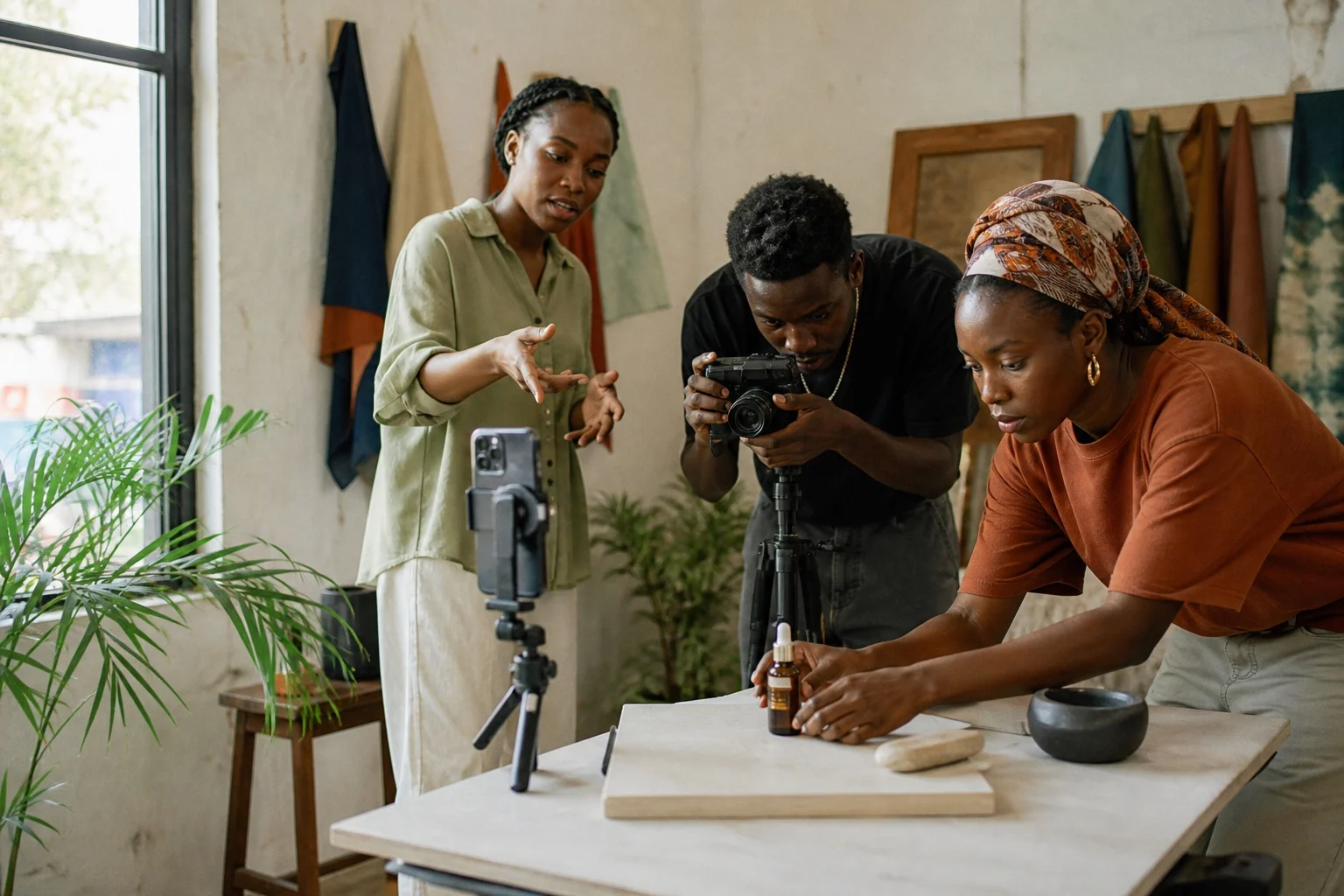
Agree the final image count, orientation, background, styling and retouching scope. A product-page packshot, a lifestyle scene and a detail crop answer different questions. Ask whether the buyer needs consistent images across a catalogue or a small set of campaign photographs.
For a simple self-directed sample, show the whole item, a useful scale reference and the feature a buyer would inspect. Keep colour and proportions faithful to the product. State which props are included in the sale and which are part of the scene. Confirm commercial permissions for the final images before delivery.